Follow the students of BIO4441 – The Herbarium: Research, Art, and Botany, as we digitize our herbarium collection here at Bennington College and learn about the interdisciplinary practices necessary and learned from an herbaria-based education.
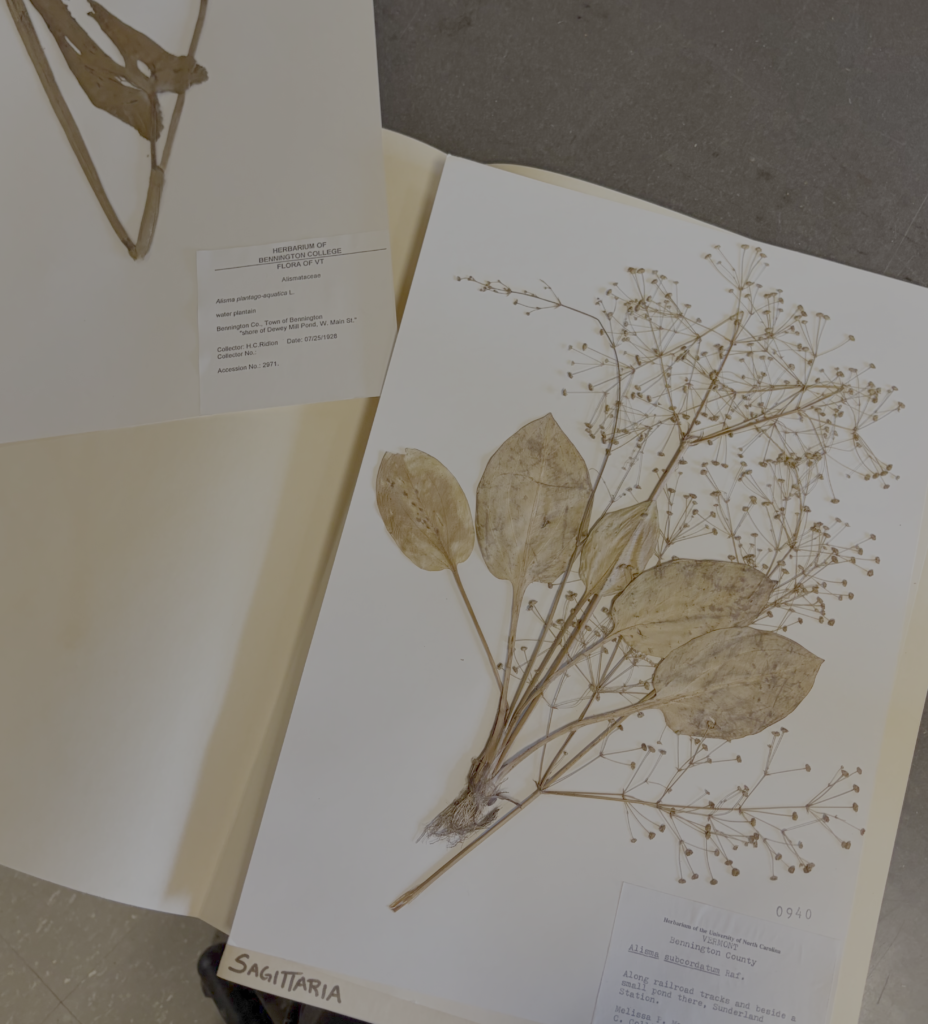
Follow the students of BIO4441 – The Herbarium: Research, Art, and Botany, as we digitize our herbarium collection here at Bennington College and learn about the interdisciplinary practices necessary and learned from an herbaria-based education.
Sir Hans Sloane, born in 1660, was a physician, naturalist, and famed collector of specimens. In his 20s, Sloane traveled to Jamaica, where he caught a major case of the “collector’s bug.” During this voyage, Sloane gathered hundreds of plant specimens, many of which were previously undocumented in European science. Many of the specimens were gathered by enslaved Africans and Indigenous people, but their contributions were seldom credited in the records, classic! Sloane purchased, traded, and received plant samples from all over the globe, as far as Asia and the Americas, turning his herbarium into a global archive. Sloane’s herbarium is one of the most remarkable and impressive collections of specimens in history, providing modern students of botany with an incredible window into early global exploration and science.
As he traveled across Jamaica, Sloane gathered plant and animal specimens from a wide range of environments. Being a physician, he selected specimens with their economic and medicinal value in mind, often prioritizing species used locally for healing or consumption. He recorded details about local names, preparation methods, and effects, mostly using the knowledge from enslaved Africans and indigenous Caribbean people. Sloane’s marriage to Elizabeth Langley Rose, a wealthy widow whose family owned sugar plantations in Jamaica, also contributed greatly to his collection endeavors. His wife’s wealth, built on the labor of enslaved people, funded his collecting on a larger scale than would have been possible otherwise.
When Sloane died in 1753, he bequeathed his vast collection of books, specimens, and herbaria to the British Parliament under the condition that it be accessible to the British public as a trove of knowledge. Parliament honored his request, and Sloane’s collection became the foundation for the British Museum, creating one of the world’s first institutions dedicated to knowledge. Even though it is not presently being added to, Sloane’s herbarium is carefully maintained and remains a hub for scholars and botanists across Europe.
Sources:
https://en.wikipedia.org/wiki/Hans_Sloane
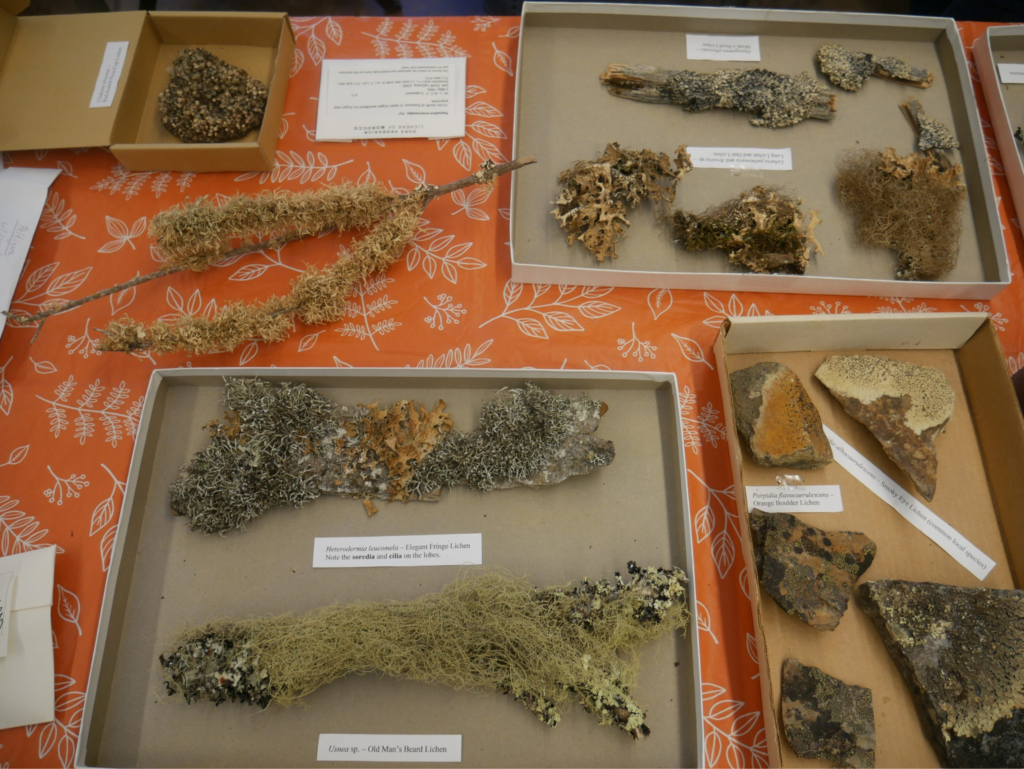
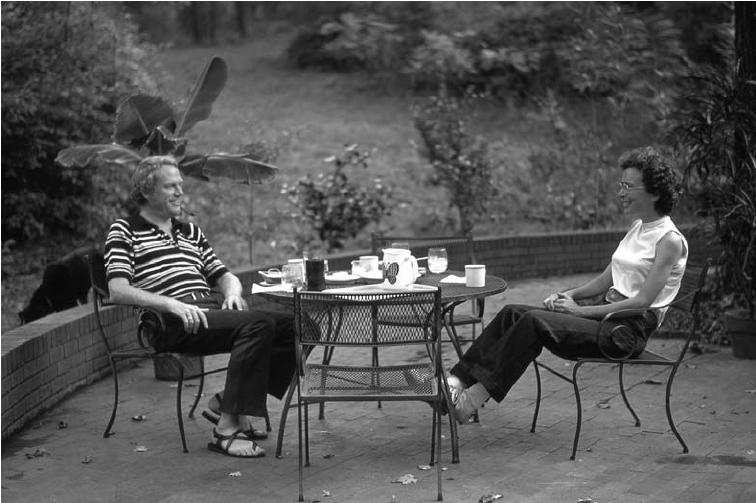
The history of Duke University’s lichen herbarium goes all the way back to 1955, when Chicita F. Culberson and her husband, William Louis, moved to the University. When they arrived, William took a job in the botany department, and Chicita studied in the chemistry department. While Chicita was going through her chemistry PhD program, she also worked in the herbarium and studied lichen metabolites: secondary chemical compounds produced by lichens. These compounds allow scientists to distinguish between different lichen species, and it was Chicita herself who standardized a vital method of studying them.
Thin-layer chromatography is a process pioneered by Chicita that is used to separate lichen metabolites into individual chemical compounds. Before Chicita’s research in this field, methods of distinguishing lichen metabolites were time consuming and unregulated. Thanks to Chicita, today’s scientists have a much more reliable system for researching lichens. After she received her PhD in 1959, Chicita took the role of Research Associate, and later became a Senior Research Associate. She also taught Botany at the University and continued her lichen research and contributions to the herbarium until her retirement in 2019.
The lichen herbarium was formally named after William Louis and Chicita Culberson in 2010, recognizing their invaluable contributions to the department. There are now 107,000 specimens in the lichen herbarium, with over 90,000 of them being accessible online. The Duke University Herbarium community has been in mourning since the announcement of its closing, but the research completed by William and Chicita will live on.
Sources
Esslinger, T.L. “Chicita F. Culberson”, International Association of Lichenology, https://ial-lichenology.org/awards/acharius_culbersoncf/.
Howland, Jeremy and Briscoe, Laura. “Chicita Culberson”, New York Botanical Garden, https://sweetgum.nybg.org/science/the-hand-lens/explore/narratives-details/?irn=7702.
Photos:
Claveria, Angela. “Protecting Rare Lichens in Mount Mitchell State Park: The Legacy of W.L. Culberson”, Sarah P. Duke Gardens, https://gardens.duke.edu/garden-talk/protecting-rare-lichens-in-mount-mitchell-state-park-the-legacy-of-w-l-culberson/.
Kärnefelt, I. “Chicita Culberson”, New York Botanical Garden, https://sweetgum.nybg.org/science/the-hand-lens/explore/narratives-details/?irn=7702.

Image citation: Anna Atkins, botanist and photographer | creator of the world’s…
Early Life, Upbringing, & Illustration:
Born in Kent, England in 1799, Anna Atkins (formerly Anna Children) was an only child raised by a single dad. Having lost her mother early in life, young Anna developed a close bond with her father–John George Children–who was a well-respected scientist employed by the British Museum. Growing up immersed in the world of science, Anna’s interest in biology was stoked and encouraged throughout her childhood. Though women were prevented from professionally pursuing scientific interests, Anna–like many nineteenth century female scientists–found her way into the world of biology through illustration.
Atkins’ became an accomplished scientific illustrator early in her life. Working alongside her father to publish an English translation of Jean Baptiste de Lamarck’s Genera of Shells, Atkins had completed 256 scientifically accurate shell drawings by her early twenties. Atkins spent her life living and working in southeast England and married her husband–John Pelly Atkins, a merchant and landowner who shared her interest in science–when she was 26 years old. Although Atkins’ work as an artist and scientist began with invertebrates, by the time she was thirty Atkins began to collect, illustrate, and document botanical specimens.
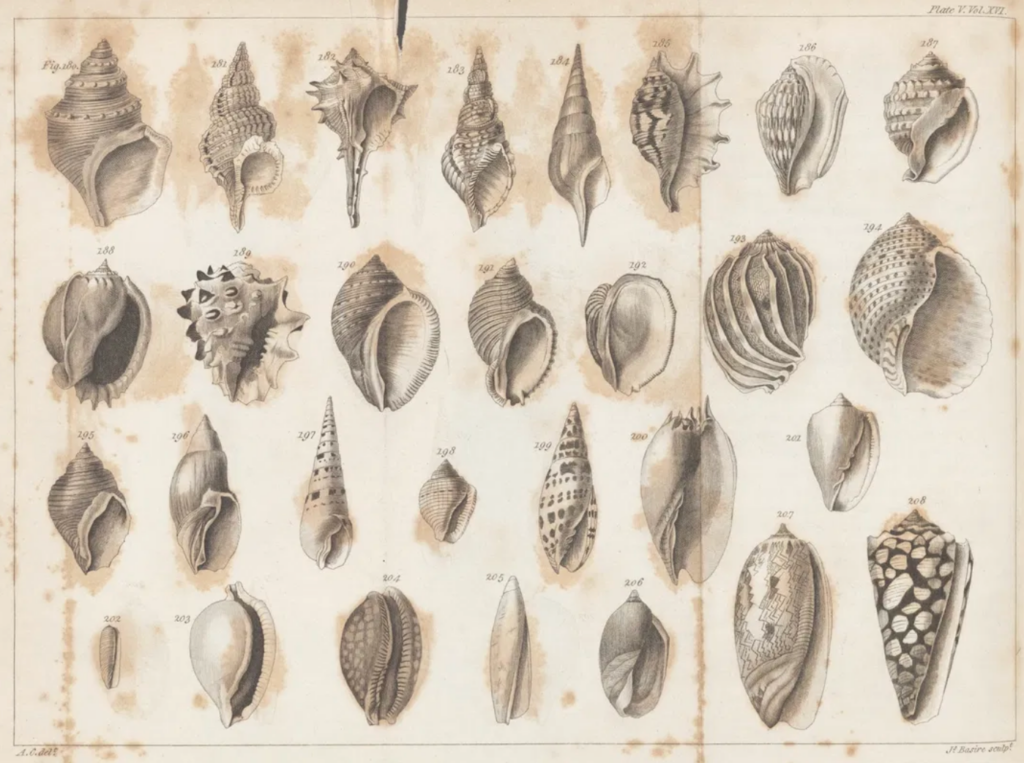
Image citation: ‘Shells’ by Anna Atkins from Genera of Shells (1823)
Cyanotypes and the World’s First Photobook:
Atkins’ interest in botany was intense and lifelong. Although prevented from pursuing a scientific career, Atkins’ involvement with the Royal Society–a connection built in association with her father–was steadfast. Atkins’ connections within the scientific community and her rapport with other scientists served her well throughout her career. In fact, her correspondence with William Henry Fox Talbot–the inventor of the “talbotype”–and friendship with Sir John Herschel, led her to experiment with photographic processes earlier than many. With the first publication of her most renowned work, “Photographs of British Algae: Cyanotype Impressions” in 1843, Atkins became the first person to publish a book illustrated entirely with photographic images.
A culmination of Atkins’ decades-long study of British seaweed, each copy of “Photographs of British Algae: Cyanotype Impressions” contained hundreds of prints. To create the 14 substantially complete original copies we know of today, Atkins’ must have created approximately six thousand prints, each one by hand. The original copies of her book are now housed at institutions like the Linnaean Society and the Metropolitan Museum of Art. Capturing detailed and accurate impressions of the aquatic life she studied, Atkins’ books demonstrated the powerful potential of scientific photography.
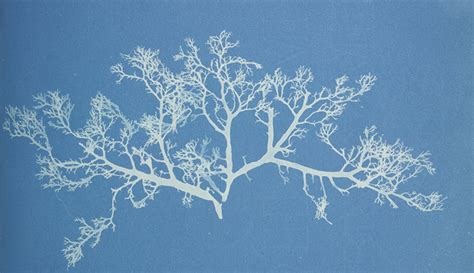
Image citation: Anna Atkins’s cyanotypes: the first book of photographs | NHM
Reception & Modern Connections:
Despite the revolutionary nature of Atkins’ work, the implications of her work were largely overlooked during her time. By the late 19th century, just a couple decades after her death in 1871, her work had been largely forgotten by the scientific community. In fact, before later research conducted by Larry Schaaf in the 1970s brought Atkins’ work back to the surface, William Talbot’s publication, “The Pencil of Nature,” was considered the first photographic book. Modern inquiry into the history of photography has helped bring Atkins’ work the renown it deserves. Centuries after their creation, Atkins’ cyanotypes remain beautiful, accurate, and detailed contributions to both botany and art.
Herbaria endeavor to document and preserve botanical information, and–as discussed by Maura C. Flannery in her book “In the Herbarium”–this archival work has historically existed between the worlds of art, science, and innovation. Though modern herbarium collections focus on preserving physical plant matter, they still contain illustrations and photographs used for identification. Technology has been shaping herbaria for centuries and is still changing the way we document plants and conduct research. Photography has come a long way since Atkins’ time and modern artists like William Arnold are using this technology to document plants in new ways. In their shared endeavor to accurately document and describe plant life, Anna Atkins’ cyanotypes and herbarium specimens pursue a common goal. Though each approaches botanical documentation differently, both methods contribute unique and important aspects to the preservation process.
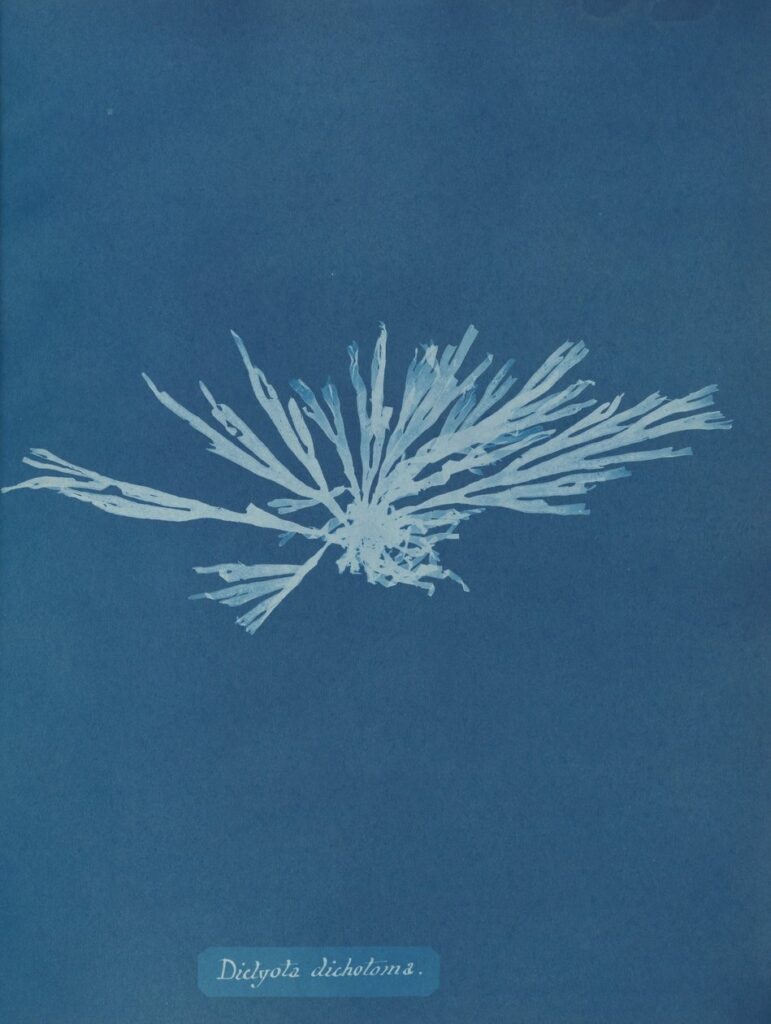
Image citation: Meisterdrucke
Links & Citations:
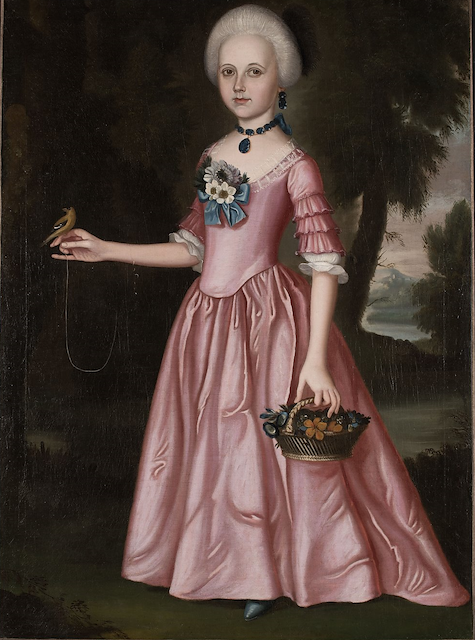
Frances “Fanny” Montressor Brush Buchanan Allen Penniman was a great woman living in the revolutionary times and is considered to be Vermont’s first known botanist. What makes her truly unique, beyond her five last names, is that she didn’t begin to collect specimens until rather late in her life despite being well trained in botany and gardening due to her affluent upbringing.
She began collecting in 1814 with her daughter, Adelia and together they collected around 200 specimens which are widely considered to be the best specimens of early American history Vermont that we have. Her specimens weren’t always collected to the scientific degree required for botanists today but they were always special, many hosting poems written by her presumably in the field. One such poem was found on a specimen of Tradescantia Virginiana Spiderwort and it read as follows: “The Pledge of Friendship // Tis all my heart can give // Wouldst thou then counsel me to fall in love.”
These artistic additions are what makes Fanny’s collection such an inspiration for The Herbarium: Art, Research, and Botany class here at Bennington. We are tying together both the creative and academic sides of herbaria, a connection that is often disregarded in modern times due to the lack of need for artistic representation of herbaria specimens thanks to photography. By looking back at Fanny’s work we can continue to learn and inspire our education and careers today.
Sources
Frances ‘Fanny’ Montresor Buchanan Allen Penniman…” Findagrave.com, 2024, www.findagrave.com/memorial/19910256/frances-buchanan_allen_penniman.
“Notable Collections | the University of Vermont.” Uvm.edu, 2018, www.uvm.edu/ccp/naturalhistory/notable-collections.“Who Was Fanny Allen? – Ethan Allen Homestead Museum – Burlington, VT.” Ethan Allen Homestead Museum, 19 Feb. 2026, ethanallenhomestead.org/who-was-fanny-allen/.
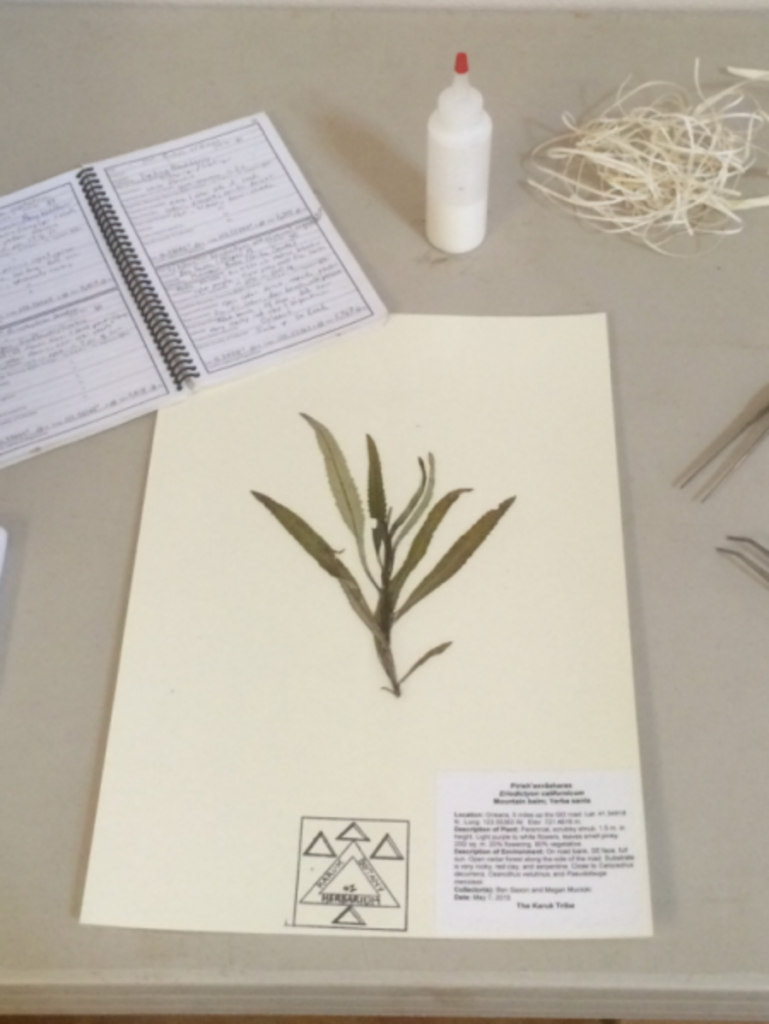
The Karuk Tribe is one of California’s largest Native American tribes. Their ancestral lands run along the Klamath River in Northwest California. The Tribe leads an herbaria located in the Karuk People’s Center in Happy Camp, CA, as well as an herbaria in Orleans, CA. These herbaria focus on ethnobotany in the Karuk tribe’s ancestral lands: plants that are culturally used for food, fiber and medicine in the Klamath River Basin. One example of these plants is Woodwardia, a genus of fern, which the Karuk Tribe uses for basketry. Mounted specimens collected for this herbarium are labeled with Karuk plant names rather than binomial names.
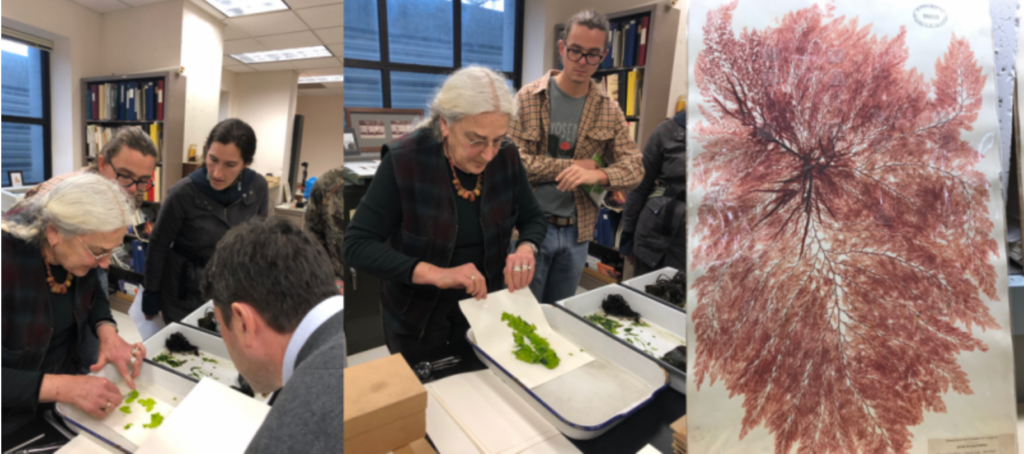
The herbarium educates academics and preserves tribal knowledge through hosting workshops at UC Berkeley. These workshops add to the current collection, which currently houses over one hundred specimens. Additionally, the Tribe runs a digital collection called Sípnuuk, which can be accessed online. Currently, the specimens are unavailable, but the website includes information regarding “Native foods and fibers, cultural practices related to the management of natural resources, the traditional knowledge and skills of Native people, Karuk language and culture.” It is possible that this archive will include herbarium specimens in the future.
The Karuk Herbarium is one of three tribal herbariums in North America. The Yurok Herbaria were founded at the same time as the Karuk Herbaria: in 2016 as part of a collaborative Tribal Food Security Project between the tribes in the Klamath River Basin and researchers at UC Berkeley. The Navajo Nation Herbarium is located at Northern Arizona University.
Sources:
Creating herbaria with tribes in the Klamath River Basin | Society of Ethnobiology