Bella Cohn
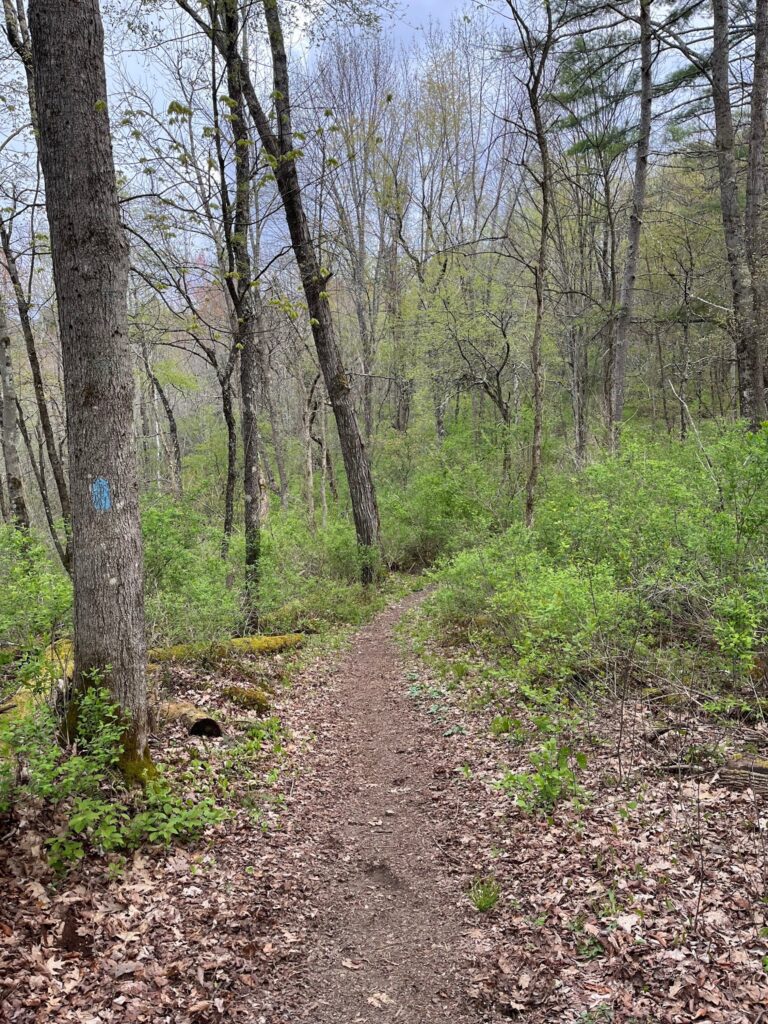
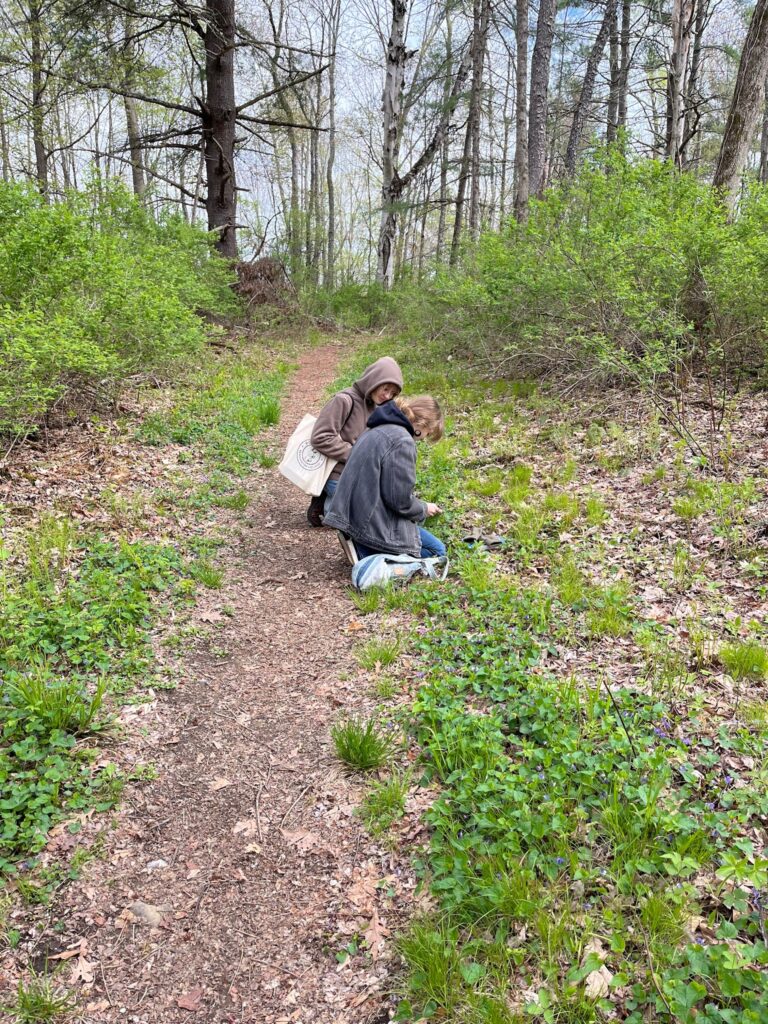
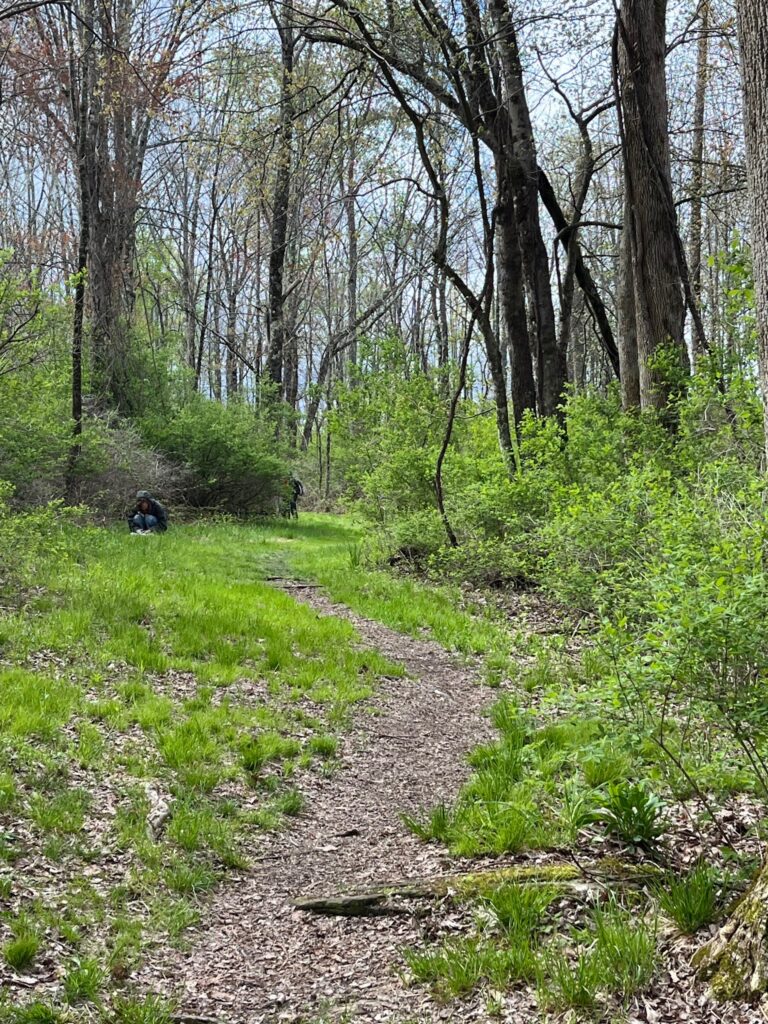
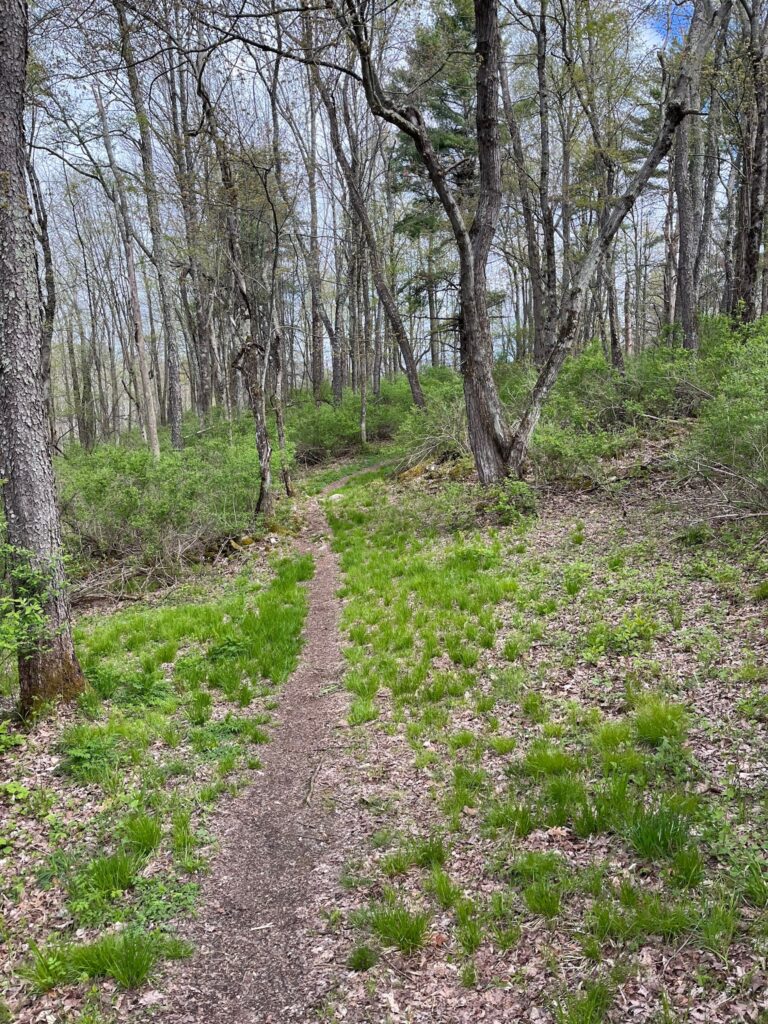
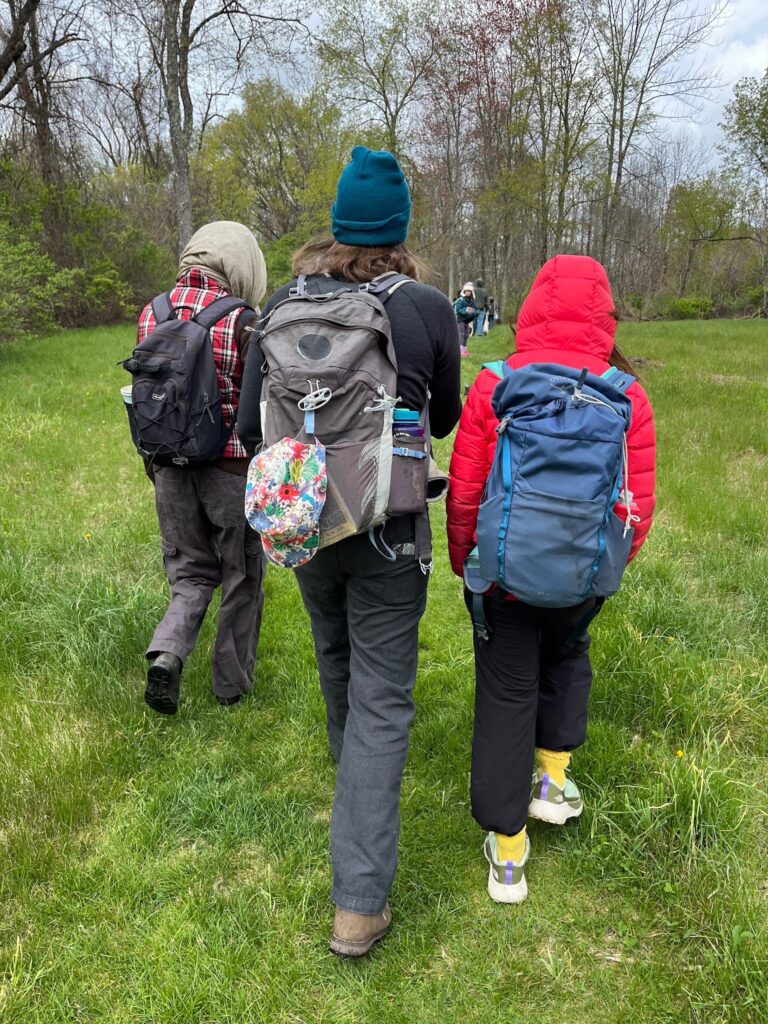
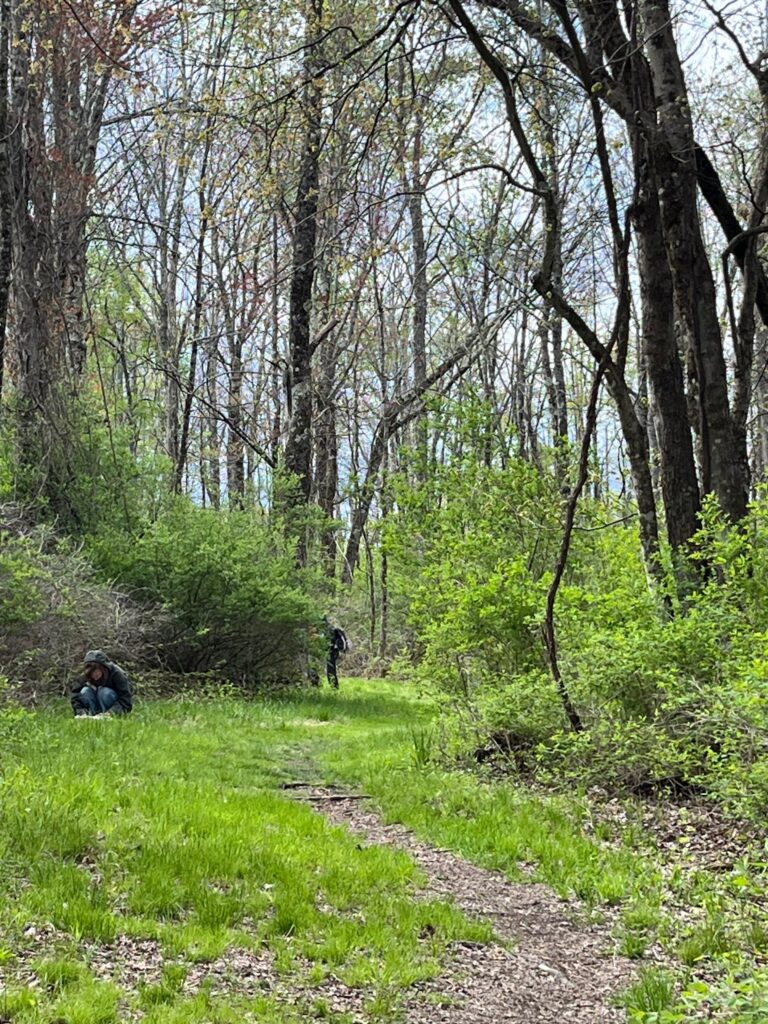
On Sunday, May 3rd, our student group – including Caitlin and her two daughters – went on a specimen collecting trip to the Robert Frost Stone House. Using Newcombs Wildflower Guide, we first identified what species of plant we were observing. The removal of spring ephemerals (Blood Root, Dutchman Breeches, etc.) was strictly forbidden during our excursion, as they act as an indicator species for the local environment’s overall health. After identifying the species of plant, we then used shears to remove most of the plant, including leaves and, if present, any flowers. Flowers can make identifying a species much easier, especially once it’s been dried and pressed in a herbarium. After carefully removing the plant, we gently placed it in between sheets of newspaper. This is an important part of the process, because however the plant is arranged in the newspaper will be its final form for the rest of its time as a specimen. Once it’s been dried, most of the time you cannot reconfigure any leaves or flowers, so it’s important that any distinct characteristics are visible when it is being preserved and collected. That way, future botanists will have a more accurate image of your specimen’s original state into the future. After gently placing the specimen onto the newspaper, it is sandwiched between two sheets of blotting paper, and then two sheets of cardboard, and finally two wooden frames that are secured with adjustable straps. These components help dry out and press the specimen flat, so that the sample is ready to mount onto a piece of paper and remains undamaged.
After collecting our plants, we headed back to campus. The plant presses remain assembled for roughly a week, after which the specimens will be dry enough to be ready to be mounted. Next, the flattened plant is glued to its paper, along with a label. This label includes a variety of information about the plant and the sample itself, including the plant’s name, species, genus, and plant family. Additionally, it notes when the collection took place, who collected it, and where it was found, as well as any other useful ecological information on the habitat where it was located (e.g., co-occurring plant species, topography, substrate, etc.). Sometimes, scientists even describe how the specimen looked when collected, as over time the colors and even shape of the plant can change, which can make identifying or studying the plant’s characteristics difficult.
All of the information collected, from the ecological data to the date of collection itself, can be used for future studies. Once mounted, the specimens will be stored in cabinets in the Bennington Herbarium for future use, and will eventually be scanned into a digital online database of the herbarium. All of this will contribute to growing the herbarium so that future students can access it for their studies, providing an opportunity to create a more accurate biological image of the local ecosystems at a set point in time.
Leave a Reply