Author: Liam Chandler-Isacksen
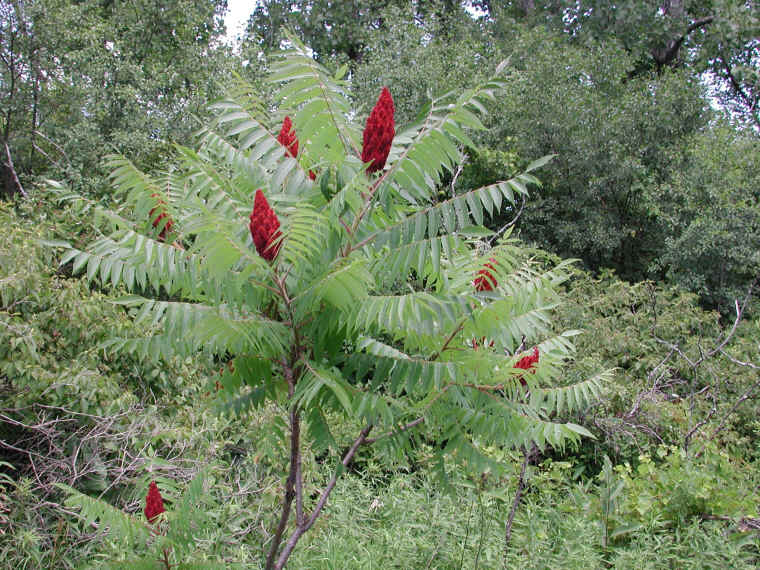
Image Source: https://www.all-creatures.org
As part of The Herbarium (BIO4441.01) students engage in research and present their findings to the class. The most recent of these presentations focused on genera and how they are being used in the herbaria based research projects each student is a part of. This post will focus on the genus Rhus L.
Rhus in botany:
Rhus L., or Sumac, is a member of the Anacardiaceae family. This family is described by the presence of laticifers (resin ducts) in the plant and generally produce fruits with resinous mesocarps. Notable members of this family include Cashew and Mango. Laticifers are specialized cells that accumulate and transport latex through the plant, aiding in the synthesis of certain metabolites and herbivory defence. The mesocarp is the middle layer of the fruit wall (pericarp) and is often the part of the fruit that we consume.
Members of the Rhus genus can be identified by the following characteristics:
Growth form: Woody shrub, small tree, or vine
Leaves: Pinnately compound alternate branching leaves. Margins are serrate (poison Sumac’s are entire)
Flowers: Short stalked and small with five petals. Male clusters are larger than female clusters and have five yellow-tipped stamens. Female clusters have three parted styles and form fuzzy drupes. The calyx has five pointed lobes.
Rhus in Vermont:
According to the Flora Novae Angliae, there are four species of Sumac in Vermont: R. aromatica, R. copallinum, R. hirta, and R. glabra. However, herbaria records from the state suggest that there is also a significant population of R. typhina as well.
This genus has been an important part of the Vermont region’s cultural history through its ties to the Abenaki people. The fruit from most sumac, which is small and mostly pit, was boiled to create a flavored drink or crushed and smoked with tobacco. The stems are also traditionally used to create spiles for maple sugaring. Sumac was favored for this purpose due to the rigid exterior and punky interior, making the hollowing process easier.
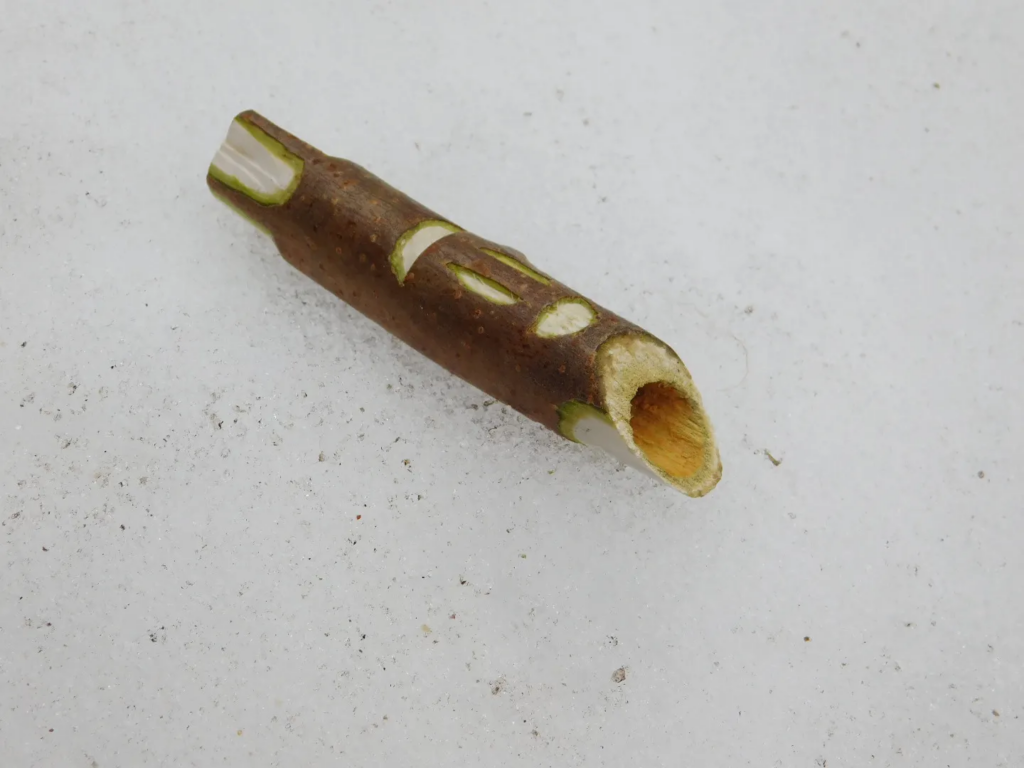
Image Sources: https://www.flickr.com/photos/martinlabar/
https://www.instructables.com/How-to-Make-a-Spilefor-Collecting-Sap
Leave a Reply