by Percy Lettvin
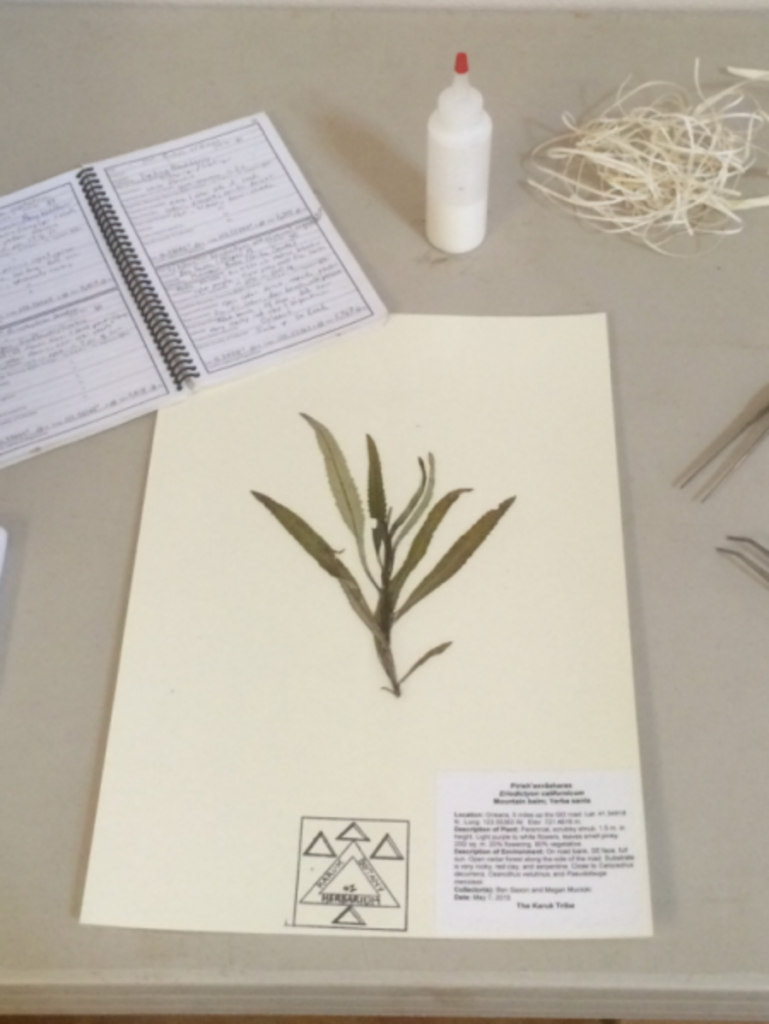
The Karuk Tribe is one of California’s largest Native American tribes. Their ancestral lands run along the Klamath River in Northwest California. The Tribe leads an herbaria located in the Karuk People’s Center in Happy Camp, CA, as well as an herbaria in Orleans, CA. These herbaria focus on ethnobotany in the Karuk tribe’s ancestral lands: plants that are culturally used for food, fiber and medicine in the Klamath River Basin. One example of these plants is Woodwardia, a genus of fern, which the Karuk Tribe uses for basketry. Mounted specimens collected for this herbarium are labeled with Karuk plant names rather than binomial names.
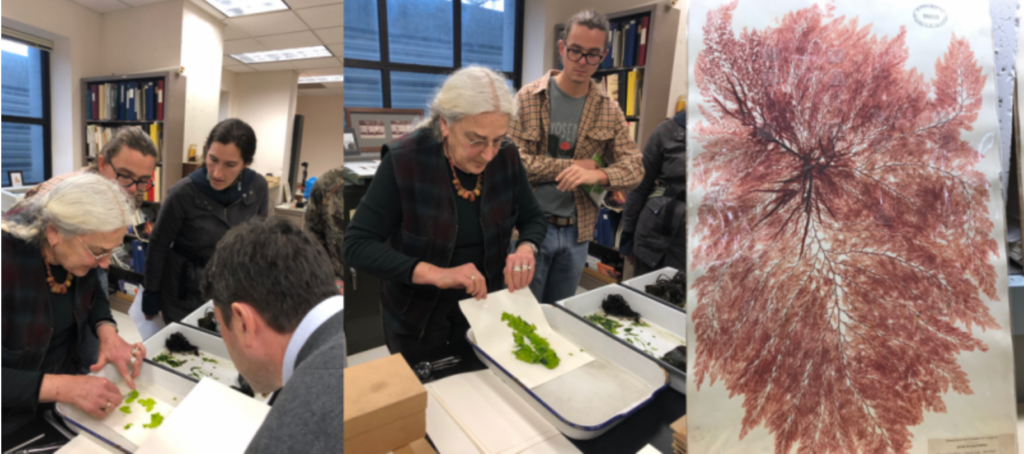
The herbarium educates academics and preserves tribal knowledge through hosting workshops at UC Berkeley. These workshops add to the current collection, which currently houses over one hundred specimens. Additionally, the Tribe runs a digital collection called Sípnuuk, which can be accessed online. Currently, the specimens are unavailable, but the website includes information regarding “Native foods and fibers, cultural practices related to the management of natural resources, the traditional knowledge and skills of Native people, Karuk language and culture.” It is possible that this archive will include herbarium specimens in the future.
The Karuk Herbarium is one of three tribal herbariums in North America. The Yurok Herbaria were founded at the same time as the Karuk Herbaria: in 2016 as part of a collaborative Tribal Food Security Project between the tribes in the Klamath River Basin and researchers at UC Berkeley. The Navajo Nation Herbarium is located at Northern Arizona University.
Sources:
Creating herbaria with tribes in the Klamath River Basin | Society of Ethnobiology
Leave a Reply